Features

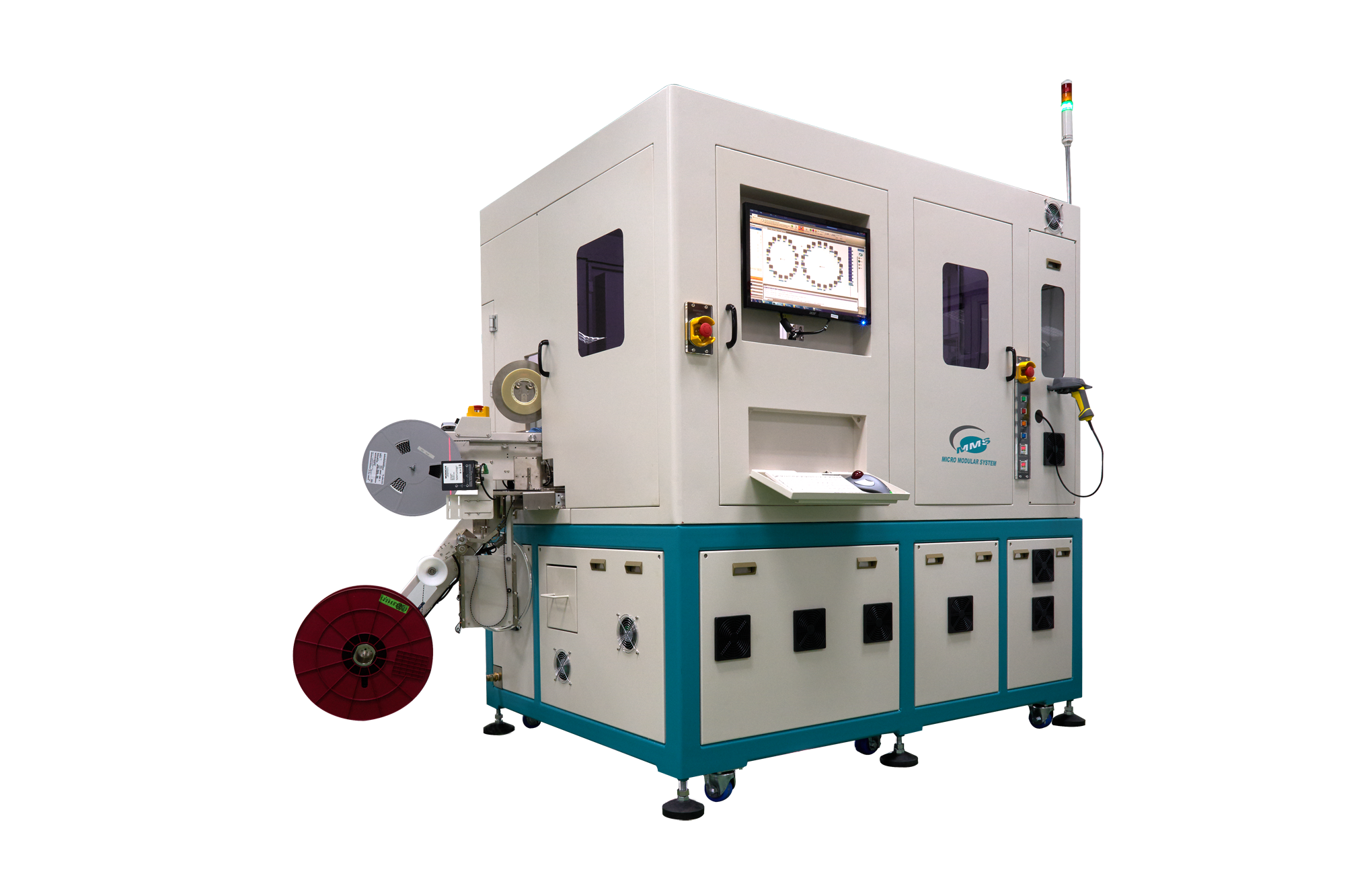
  • Input magazine with 6” wafer ring
  • Panel vision system
  • PR vision inspection for unit positioning
  • Top vision inspection to check cosmetics of Fresnel and holder
  • Bottom vision inspection to check cosmetics, PCB/pads, and OCR
  • 4S vision inspection for cosmetic checking
  • Output to tape and reel
  • Customizable input/output mapping
  • Optional NAS system for expanded image storage

Flash Module

Wide-Range-Of-LED-Flash-Lens
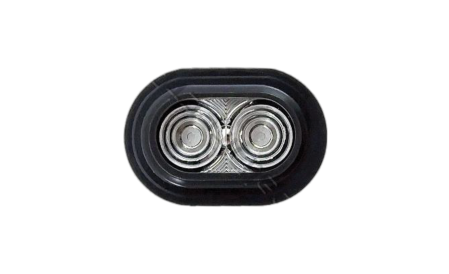
Twin-lens LED flashlight component for automated optical inspection system
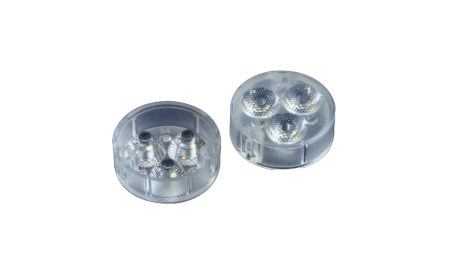
Multi-lens LED optics inspected using automated optical inspection system

6S Vision Inspection ( Top, Bottom, & 4 Sides)

Holder Short Mold

HolderShortMold

Fresnel Short Mold

FresnelShortMold

Dents

Dents

Scratches

Scratches

Foreign Material

ForeignMaterial

Contamination

Contamination

Bubbles

Bubbles

Black Dot

BlackDot

Burr

Burr

Chip Off

ChipOff2

Deform

Deform2

Crack

Crack3

2D Measurement

2DMeasurement

Ejector Pin Flash

EjectorPinFlash2

Identification

Identification

Machine Specification

Products Flash Module
Specifications Input: Tray, Wafer rings, Tape
Output: Tape & Reel, Tray, Wafer rings
Vision Inspection Cosmetic and measurement
UPH Up to 7500 (Depending on configuration and die size)
Footprint 1750mm x 1300mm x 1850mm
Warranty 1 year limited excluding wear and tear parts

What is Automated Visual Inspection (AVI)?

Automated Visual Inspection (AVI) is a technology used to automatically inspect and detect defects or anomalies in products or components using visual analysis. It involves the use of machine vision systems and artificial intelligence algorithms to identify defects and make pass/fail decisions.

What are the benefits of using Automated Visual Inspection?

Automated Visual Inspection can provide faster and more accurate inspection results, leading to improved product quality and reducing the number of defective products entering the market. It can also help to increase production efficiency and reduce inspection costs by eliminating the need for manual inspection.

What factors should I consider when choosing an Automated Visual Inspection system?

Some key factors to consider when choosing an Automated Visual Inspection system include the type and complexity of the inspection task, the speed and accuracy requirements, the level of automation required, and the compatibility with other manufacturing systems.