

Vision
Vision Measurement & Inspection System for Semiconductors & LEDs
In the realm of semiconductor and LED manufacturing, vision measurement and inspection systems are revolutionizing quality control through technologies such as cameras, sensors, and advanced software. This technological advancement can provide accurate assessments of part positioning, shape recognition, and defect detection. Consequently, these machines contribute to maintaining manufacturers’ reputations by ensuring the highest standards of semiconductors and LEDs are met at all times, improving overall efficiency at the same time.
Harnessing Vision Inspection Machines for Precision Manufacturing
Vision inspection machines are indispensable for manufacturers seeking to enhance production precision. These machines are designed to automate defect detection, ensuring the flawless assembly of semiconductors and LEDs. By integrating cutting-edge vision inspection systems, companies can consistently meet high industry standards while reducing manual errors.
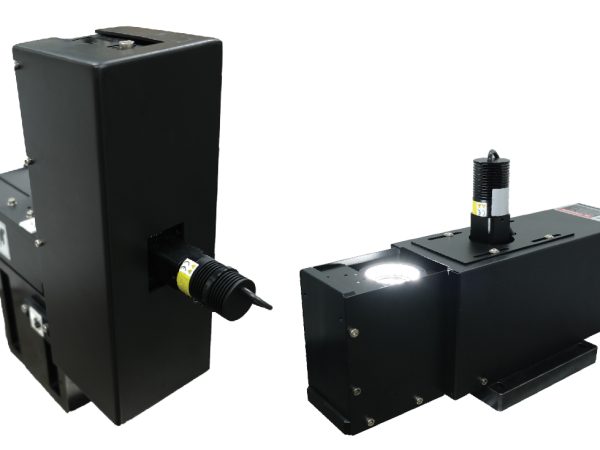
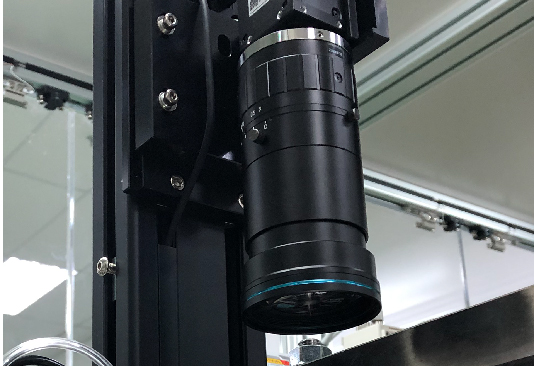
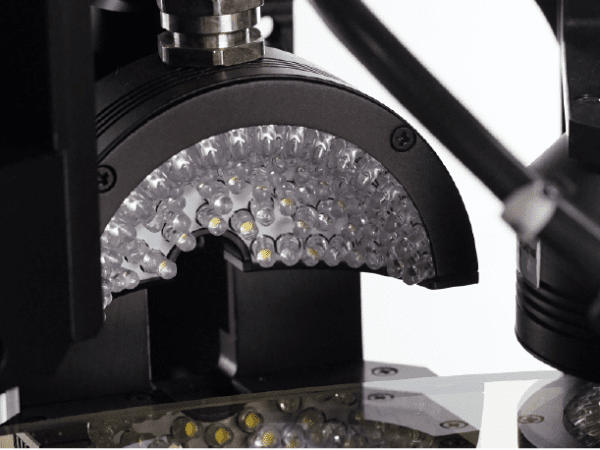
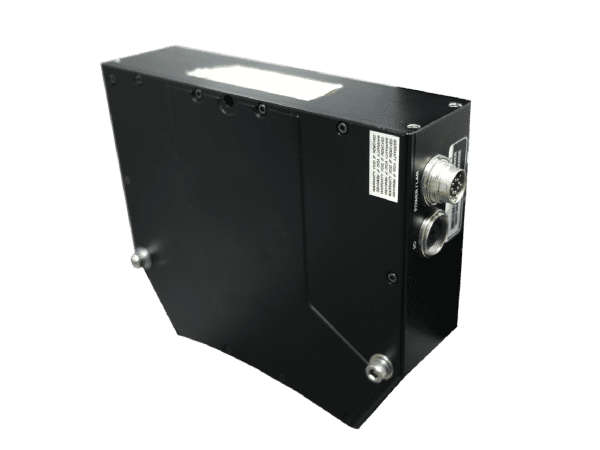
With a remarkable 26-year history in industrial automation manufacturing, Micro Modular Vision excels in crafting sophisticated machinery tailored for vision measurement and inspection purposes. Our extensive portfolio encompasses machines designed to cater to distinct vision and measurement inspection needs, including Top & Bottom Vision, Side Vision, and 3D inspection. The Top & Bottom Vision approach involves capturing multiple viewpoints of semiconductors and LEDs, leaving no detail unnoticed. On the other hand, Side Vision uncovers imperfections that often remain hidden from certain angles. Lastly, the 3D inspection transcends superficial contours, delving into attributes like volume and height of semiconductors and LEDs, introducing an additional layer of quality control.
Discover our comprehensive range of machines to identify the optimal solution that fulfils your requirements for detecting defects in semiconductors and LEDs.
Software
Frequently Asked Questions
1. What is a vision inspection system?
A vision inspection system uses advanced cameras and software to automatically check products for quality, accuracy, and defects during manufacturing.
2. How do vision inspection machines work?
Vision inspection machines capture images of products using industrial cameras, then analyze them with AI or software algorithms to detect errors, measure dimensions, and ensure quality control.
3. What industries use vision inspection systems?
They are widely used in industries such as electronics, automotive, pharmaceuticals, food and beverage, and packaging for quality assurance and process automation.
4. What are the main benefits of using a vision inspection machine?
These machines increase inspection accuracy, reduce human error, improve production efficiency, and ensure consistent product quality.
5. Can a vision inspection system be customized for specific products?
Yes, most vision inspection systems can be tailored to suit specific product shapes, sizes, materials, and inspection requirements.
6. How accurate are modern vision inspection machines?
Modern systems can detect defects as small as microns, providing highly accurate and repeatable inspection results.
7. What’s the difference between a manual inspection and a vision inspection system?
Manual inspection relies on human eyes, while a vision inspection system uses automated cameras and AI to deliver faster, more precise, and consistent results.
8. Do vision inspection machines require regular maintenance?
Yes, periodic cleaning of lenses and calibration checks ensure optimal performance and long-term reliability.
9. Can a vision inspection system integrate with existing production lines?
Absolutely. These systems are designed for easy integration with existing conveyors, PLCs, and automation setups.
10. How can I choose the right vision inspection machine for my business?
Consider your product type, inspection speed, defect tolerance, and integration requirements. Consulting a specialist can help you find the best fit.